
1. Understanding the critical impact of the 7 signs of abnormal vibration in steelmaking equipment on operational safety and product quality.
In the demanding environment of steel production, where machinery operates under immense stress and extreme conditions, the integrity and performance of equipment are paramount. Abnormal vibration in steelmaking equipment is far more than a mere operational anomaly; it serves as a critical indicator of underlying issues that, if left unaddressed, can lead to severe consequences. Recognizing the 7 signs of abnormal vibration in steelmaking equipment is not just about predictive maintenance; it’s about safeguarding human lives, protecting substantial capital investments, and ensuring the consistent quality of the final product. This section delves into the profound impact these vibrations have on both operational safety and product quality, highlighting why their early detection and understanding are indispensable.
The Critical Link Between Abnormal Vibration and Operational Safety
Operational safety is non-negotiable in any heavy industry, and steelmaking is no exception. Equipment operating with excessive or unusual vibration poses significant risks to personnel, plant infrastructure, and the operational continuity. The 7 signs of abnormal vibration in steelmaking equipment often herald impending mechanical failures that can escalate into dangerous scenarios.
Catastrophic Failures and Worker Safety
Uncontrolled vibration can lead to the rapid deterioration of critical components such as bearings, shafts, gears, and structural supports. When these parts fail unexpectedly, the consequences can be catastrophic. Imagine a vibrating conveyor belt suddenly seizing, a misaligned rolling mill breaking down, or a furnace component detaching due to fatigue. Such events can cause molten metal spills, flying debris, explosions, or structural collapses, directly endangering workers in close proximity. The steelmaking environment is already high-risk; abnormal vibration exacerbates these dangers, turning routine operations into potential disaster zones. Prioritizing the understanding and monitoring of these vibration signs is fundamental to maintaining a safe working environment and preventing serious injuries or fatalities.
System Downtime and Production Interruptions
Beyond immediate safety concerns, unchecked abnormal vibration inevitably leads to unplanned downtime. A component failure caused by excessive vibration can halt an entire production line or even an entire plant. In steelmaking, where processes are highly integrated and continuous, even a brief interruption can result in significant financial losses due to lost production, expensive emergency repairs, and delays in fulfilling orders. The knock-on effect of one vibrating piece of equipment can cascade through the entire operational chain, disrupting schedules, increasing operational costs, and impacting overall efficiency. Effective recognition of the 7 signs of abnormal vibration in steelmaking equipment allows for proactive intervention, transforming unplanned outages into scheduled maintenance, which is far less disruptive and costly.
Compromising Product Quality: A Direct Consequence of Abnormal Vibration
The quality of steel products is a key differentiator in a competitive market. Abnormal vibration, often overlooked in its early stages, can subtly yet profoundly undermine the metallurgical integrity and dimensional accuracy of the finished steel.
Material Defects and Inconsistencies
Precision is critical in steel production, from casting to rolling. Equipment vibration, particularly in areas like continuous casters, rolling mills, and cutting lines, directly translates into defects in the steel product. For instance, vibrations in a continuous caster can cause surface defects, internal cracks, or segregation in the billet or slab. In rolling mills, vibrating rollers or stands can lead to variations in thickness, uneven surfaces, or premature wear on rolls, resulting in out-of-spec dimensions, poor surface finish, and compromised mechanical properties of the steel. These inconsistencies mean that the product may not meet stringent industry standards or customer specifications, leading to rejection or requiring costly rework.
Rework, Scrap, and Financial Losses
The immediate consequence of compromised product quality due to vibration is an increase in rework and scrap rates. Products that do not meet quality standards must either be reprocessed, incurring additional energy, labor, and time costs, or be discarded as scrap, representing a complete loss of invested resources. This directly impacts the profitability of the steel plant. Furthermore, if substandard products reach customers, it can lead to warranty claims, returns, and damaged relationships, inflicting long-term reputational harm. Understanding and acting upon the 7 signs of abnormal vibration in steelmaking equipment is therefore essential not just for operational stability but also for ensuring a consistent, high-quality output that upholds market confidence and financial viability.
Beyond Immediate Impacts: Long-Term Repercussions
The effects of ignoring abnormal vibration extend beyond immediate safety and quality issues, permeating the long-term health and competitiveness of the steelmaking operation.
Accelerated Equipment Degradation and Lifecycle Reduction
Constant, excessive vibration subjects machinery to undue stress and accelerated wear. Components that are designed for years of service can fail prematurely, leading to increased maintenance frequency and higher replacement costs. This shortens the overall lifespan of valuable assets, forcing earlier capital expenditure than anticipated. Proactive monitoring and addressing the 7 signs of abnormal vibration in steelmaking equipment are crucial for maximizing equipment longevity and optimizing the total cost of ownership.
Reputational Damage and Market Competitiveness
Inconsistent product quality and frequent operational disruptions erode a company’s reputation. Clients rely on predictable supply chains and consistent quality; a facility plagued by vibration-induced issues will struggle to meet these expectations. This can lead to loss of market share, difficulty securing new contracts, and a diminished brand image in a highly competitive global steel market. Conversely, a plant known for its reliability, safety, and high-quality output, achieved in part by diligent vibration monitoring, builds trust and strengthens its market position.
In conclusion, the 7 signs of abnormal vibration in steelmaking equipment are critical early warnings that demand immediate attention. Their impact spans from direct threats to worker safety and catastrophic equipment failure to subtle degradation of product quality and significant financial setbacks. A comprehensive understanding and proactive response to these signs are not merely maintenance best practices; they are foundational to the operational excellence, safety culture, and economic sustainability of any modern steelmaking enterprise. For expert insights and solutions in monitoring and mitigating these critical impacts, contact Mr.Long at 0949 90 77 68.
2. Exploring the root causes and early detection methods for the 7 signs of abnormal vibration in steelmaking equipment to implement predictive maintenance.
Steelmaking operations are inherently demanding, pushing machinery to its limits in harsh environments. While some level of vibration is normal, the emergence of the 7 signs of abnormal vibration in steelmaking equipment often signals underlying issues that, if left unaddressed, can lead to catastrophic failures, costly downtime, and compromised safety. This section delves into the critical task of identifying the root causes behind these alarming vibrations and explores advanced early detection methods, forming the bedrock of a robust predictive maintenance strategy.
Understanding the Common Root Causes of Abnormal Vibration
Understanding the ‘why’ behind these abnormal vibrations is the first step towards effective intervention. The root causes are often multifaceted, ranging from mechanical wear to electrical anomalies, each contributing uniquely to the distinctive patterns observed in the 7 signs of abnormal vibration in steelmaking equipment.
Mechanical Imbalance and Misalignment
One of the most prevalent causes of abnormal vibration in rotating machinery, common in steel mills, is mechanical imbalance. This occurs when the center of mass of a rotating component (like a fan, motor rotor, or grinding wheel) does not coincide with its geometric center, leading to an uneven centrifugal force during rotation. Misalignment, on the other hand, describes an improper arrangement of machinery components, where shafts are not co-linear or parallel, resulting in excessive forces on bearings and seals. Both imbalance and misalignment generate distinct vibration signatures that, if analyzed correctly, can pinpoint the exact issue.
Bearing and Gear Faults
Bearings are critical components in almost every piece of steelmaking equipment, supporting rotating shafts and reducing friction. Faults such as wear, pitting, spalling, or lubrication issues within bearings are significant contributors to abnormal vibration. Similarly, gears, essential for transmitting power and torque, can develop faults like tooth wear, cracks, backlash, or misalignment, all of which manifest as characteristic vibration patterns. These faults in bearings and gears are often responsible for many of the 7 signs of abnormal vibration in steelmaking equipment.
Structural and Electrical Issues
Beyond rotating components, structural integrity plays a crucial role. Loose foundations, cracked frames, or resonant frequencies in the supporting structure can amplify or introduce abnormal vibrations. Electrical issues, particularly in motors, can also induce vibration. Problems like rotor bar defects, stator winding faults, or uneven air gaps generate magnetic forces that lead to pulsations and subsequent mechanical vibration, indicating electrical distress within the system.
Advanced Early Detection Methods for Predictive Maintenance
Shifting from reactive to predictive maintenance hinges on the ability to detect potential failures early, often before any visible symptoms emerge. Modern steelmaking facilities are increasingly adopting sophisticated technologies to monitor the 7 signs of abnormal vibration in steelmaking equipment proactively.
Vibration Analysis and Condition Monitoring
Vibration analysis remains the cornerstone of predictive maintenance for rotating and reciprocating machinery. Accelerometers and other vibration sensors are strategically placed on equipment to continuously collect data. This data is then processed through Fast Fourier Transform (FFT) analysis to transform time-domain signals into frequency-domain spectra. By analyzing these spectra, maintenance teams can identify specific frequencies associated with imbalance, misalignment, bearing faults, gear mesh problems, and other mechanical issues. Trending these vibration characteristics over time provides crucial insights into degradation rates, enabling precise scheduling of maintenance. Such data, often collected and analyzed via eMaintenance systems, allows for trend analysis, fault diagnosis, and the projection of remaining useful life (RUL).
Ancillary Detection Technologies
While vibration analysis is primary, other complementary technologies enhance early detection capabilities. Thermography uses infrared cameras to detect abnormal heat signatures, which can indicate friction from faulty bearings, electrical overloads, or hydraulic leaks. Acoustic emission monitoring listens for high-frequency sounds generated by crack propagation or cavitation, providing a very early warning for structural failures. Oil analysis, by examining lubricant properties, particle counts, and wear debris, can reveal internal machine wear and contamination that contribute to the 7 signs of abnormal vibration in steelmaking equipment.
Leveraging AI and eMaintenance for Enhanced Prediction
The advent of Artificial Intelligence (AI) and advanced eMaintenance platforms has significantly elevated the potential for early detection and predictive maintenance. AI algorithms can analyze vast datasets from multiple sensors, identifying subtle correlations and anomalous patterns that human operators might miss. This enables more accurate fault diagnosis and more precise predictions of equipment failure. Furthermore, the integration of Artificial Intelligence (AI) in plant operation and management is revolutionizing predictive capabilities, turning raw data into actionable insights. These modern maintenance trends emphasize data-driven decision-making, moving away from time-based or reactive approaches towards a truly condition-based strategy.
By thoroughly exploring the root causes and implementing sophisticated early detection methods, steelmaking facilities can proactively address the 7 signs of abnormal vibration in steelmaking equipment. This not only prevents costly breakdowns but also optimizes operational efficiency, extends equipment life, and ensures a safer working environment. For expert guidance on implementing such advanced predictive maintenance strategies, contact Mr. Long at 0949 90 77 68.
3. Implementing effective mitigation and prevention strategies based on the 7 signs of abnormal vibration in steelmaking equipment to ensure equipment longevity and operational efficiency.
Abnormal vibration in steelmaking equipment is more than just a mechanical anomaly; it’s a critical indicator of underlying issues that can compromise safety, disrupt production, and shorten asset lifespans. Having identified the 7 signs of abnormal vibration in steelmaking equipment, the next crucial step is to translate this knowledge into robust mitigation and prevention strategies. This proactive approach is fundamental to safeguarding costly machinery, maintaining peak operational efficiency, and ensuring sustainable production in the demanding steel industry.
Proactive Monitoring and Predictive Maintenance Regimes
Effective prevention starts with a commitment to continuous monitoring and the implementation of advanced predictive maintenance technologies. Leveraging the insights gained from detecting the 7 signs of abnormal vibration in steelmaking equipment, facilities can move beyond reactive repairs to a more strategic, condition-based maintenance model. This involves deploying sensor networks, data analytics platforms, and eMaintenance solutions to track vibration patterns in real-time. Deviations from established baselines or the emergence of specific vibration signatures (the aforementioned 7 signs) trigger automated alerts, allowing maintenance teams to intervene before a minor issue escalates into a catastrophic failure.
Utilizing Advanced Vibration Analysis for Early Intervention
Advanced vibration analysis tools, including Fast Fourier Transform (FFT) analysis, spectral analysis, and waveform interpretation, are indispensable. These tools help pinpoint the exact nature and source of the abnormal vibration, whether it’s misalignment, unbalance, bearing defects, gear tooth issues, or structural resonance. By accurately diagnosing these issues based on the 7 signs of abnormal vibration in steelmaking equipment, maintenance personnel can schedule precise, targeted interventions, minimizing downtime and maximizing the effectiveness of repair efforts. This precision ensures that resources are allocated efficiently, preventing unnecessary replacements and optimizing maintenance cycles. Furthermore, understanding the important data eMaintenance collects is key to informing these interventions.
Precision Maintenance and Targeted Corrective Actions
Once abnormal vibration is detected and diagnosed, the implementation of precision maintenance techniques is paramount. These techniques are designed to address the root causes identified by the 7 signs of abnormal vibration in steelmaking equipment with meticulous accuracy. Key strategies include:
- Dynamic Balancing: For rotating components, ensuring proper balance eliminates a significant source of vibration. This is crucial for elements like large fans, motor rotors, and rolling mill rolls, where even slight imbalances can generate substantial destructive forces.
- Laser Alignment: Precision alignment of shafts in motors, pumps, and gearboxes reduces excessive wear on couplings, bearings, and seals, directly preventing vibration caused by misalignment.
- Optimized Lubrication Programs: Implementing a robust lubrication schedule with the correct type and quantity of lubricants prevents friction and wear, which are often precursors to vibration-inducing component degradation. Monitoring lubricant condition through oil analysis can also reveal early signs of wear.
- Component Replacement and Upgrades: Based on predictive analytics and the severity of the detected 7 signs of abnormal vibration in steelmaking equipment, timely replacement of worn-out bearings, gears, or structural elements prevents cascading failures. Upgrading to more robust materials or improved designs can also enhance long-term equipment resilience.
Leveraging Technology and Automation for Enhanced Prevention
The modern steel industry can significantly bolster its prevention strategies by integrating cutting-edge technologies. Modern maintenance management trends emphasize automation and smart solutions.
IoT and AI-driven Analytics: Internet of Things (IoT) sensors coupled with Artificial Intelligence (AI) and Machine Learning (ML) algorithms can analyze vast datasets from vibration sensors, temperature gauges, and other operational parameters. These systems can learn normal operating behaviors and identify subtle anomalies that might precede the obvious 7 signs of abnormal vibration in steelmaking equipment, offering an even earlier warning system. AI can also help predict remaining useful life (RUL) of critical components, optimizing replacement schedules and inventory management.
Vibration Dampening and Isolation: For equipment prone to inherent vibration, engineering solutions such as specialized vibration dampeners, isolation mounts, and structural reinforcements can be integrated during design or as retrofits. These solutions help absorb or redirect vibratory energy, protecting both the equipment and surrounding structures.
Training and Culture of Proactive Maintenance
While technology is vital, the human element remains indispensable. Investing in comprehensive training programs for maintenance technicians and operators is crucial. This includes training on the proper use of vibration analysis equipment, interpretation of data, and the execution of precision maintenance tasks. Fostering a culture where identifying and addressing the 7 signs of abnormal vibration in steelmaking equipment is prioritized by all personnel ensures vigilance and prompt action. Regular audits and performance reviews can reinforce best practices and identify areas for improvement.
By systematically applying these mitigation and prevention strategies, steelmaking facilities can significantly enhance equipment longevity and operational efficiency. Moving from reactive fixes to a proactive, data-driven approach based on a deep understanding of the 7 signs of abnormal vibration in steelmaking equipment leads to fewer unexpected breakdowns, reduced maintenance costs, improved safety records, and ultimately, a more reliable and profitable operation. For advanced solutions and expert consultation on implementing these strategies, please contact Mr.Long at 0949 90 77 68.
4. Analyzing the nature, causes, and remedies associated with the 7 signs of abnormal vibration in steelmaking equipment for maintaining process reliability.
Steelmaking is a demanding process where equipment reliability is paramount. Abnormal vibrations are often the earliest indicators of impending failure, capable of disrupting production, compromising safety, and degrading product quality. A thorough analysis of the nature, underlying causes, and effective remedies for the 7 signs of abnormal vibration in steelmaking equipment is not merely a diagnostic step but a cornerstone for sustaining process reliability and operational integrity. This section delves into these critical aspects, offering a framework for understanding and addressing these pervasive challenges.
Understanding the Nature of Abnormal Vibrations in Steelmaking
The “nature” of abnormal vibration refers to its specific characteristics and how it deviates from a healthy operational baseline. In steelmaking, these vibrations are not uniform; they vary significantly in frequency, amplitude, and waveform, each offering unique insights into the equipment’s condition. For instance, high-frequency, low-amplitude vibrations might point to bearing degradation, while low-frequency, high-amplitude movements could indicate severe imbalance or misalignment. Understanding the specific types of dangerous vibrations commonly found in steel plants helps in accurate diagnosis. The 7 signs of abnormal vibration in steelmaking equipment often manifest as:
- Increased Overall Vibration Levels: A general rise in vibration magnitude across all frequencies, indicating widespread degradation or a significant operational upset.
- Specific Frequency Peaks: The appearance of distinct peaks at frequencies corresponding to component rotational speeds, gear mesh frequencies, or bearing defect frequencies.
- Harmonics and Sub-harmonics: Multiples or fractions of fundamental frequencies, often indicative of looseness, rubbing, or resonance.
- Phase Shifts: Changes in the relative timing of vibration between different points on a machine, pointing to misalignment or structural issues.
- Modulation: A larger vibration signal “carrying” a smaller one, commonly seen in gear tooth wear or bearing outer race defects.
- Impact Events: Intermittent, high-amplitude spikes in the time waveform, signifying impacts from loose parts or component clearances.
- Increased Noise and Heat: Often correlated with severe vibration, these are secondary but important indicators of mechanical stress.
Each of these signs provides critical diagnostic information, helping maintenance personnel pinpoint the affected components and the severity of the issue, which is crucial for maintaining the precise and continuous operation required in steel production.
In-Depth Analysis of Causes Behind the 7 Signs
Pinpointing the exact cause of abnormal vibration is the cornerstone of effective remediation. The causes are multifaceted, typically falling into mechanical, electrical, operational, and environmental categories. For the 7 signs of abnormal vibration in steelmaking equipment, common root causes include:
- Imbalance: Uneven distribution of mass on rotating components (e.g., fans, rolls, motors), leading to vibrations at the rotational speed. This is a prevalent issue in high-speed machinery in steel mills.
- Misalignment: When the rotational centers of coupled components (e.g., motor and pump shafts) are not collinear, causing stress on bearings, seals, and shafts, resulting in vibrations at 1x or 2x rotational frequency.
- Looseness: Loose mounting bolts, worn bearings, or degraded structural components allow excessive movement, leading to non-linear vibrations, harmonics, and impact events.
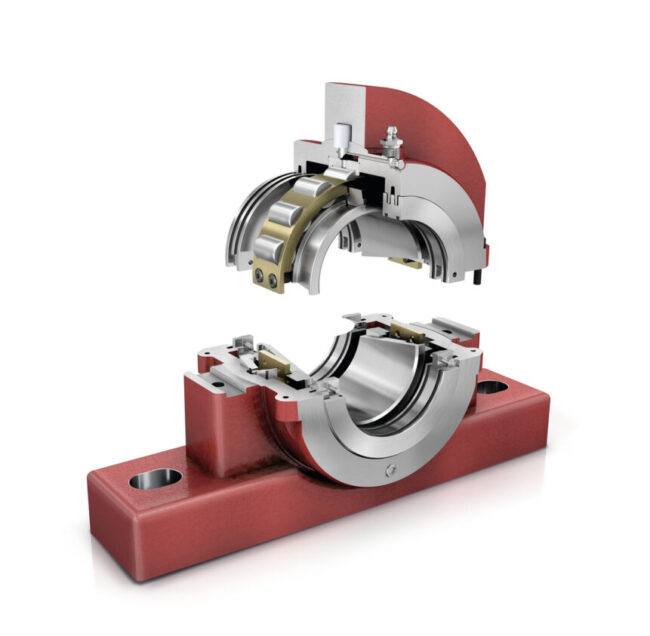
- Bearing Defects: Wear, pitting, or spalling in rolling element bearings generate distinct frequencies related to the inner race, outer race, rolling elements, and cage, often leading to increased noise and heat.
- Gear Defects: Pitting, wear, or misalignment of gear teeth can cause vibrations at gear mesh frequencies and their harmonics, often accompanied by sidebands.
- Resonance: When an exciting frequency (e.g., operating speed) matches a natural frequency of a machine component or structure, leading to amplified vibrations that can be catastrophic.
- Electrical Issues: Problems like uneven air gaps, loose stator windings, or rotor bar defects in electric motors can induce electromagnetic forces that cause characteristic vibrations.
- Fluid Flow Issues: Cavitation, turbulence, or surging in pumps and hydraulic systems can generate random or specific frequency vibrations, impacting the stability of the entire process.
A comprehensive analysis often involves advanced diagnostic tools and techniques, including spectral analysis, orbital plots, and phase analysis, to differentiate between these complex causes. Leveraging modern eMaintenance trends and management systems, alongside AI applications in factory operations and management, can significantly enhance the accuracy and speed of cause identification.
Implementing Effective Remedies for Sustained Process Reliability
Once the nature and causes of the 7 signs of abnormal vibration in steelmaking equipment are thoroughly understood, implementing targeted remedies is critical for restoring and maintaining process reliability. Effective remediation strategies go beyond temporary fixes, aiming for long-term solutions that address the root cause.
- Precision Balancing and Alignment: For imbalance and misalignment issues, precision balancing of rotating components and accurate shaft alignment are fundamental. These practices minimize vibrational forces, extending component life and reducing energy consumption.
- Component Replacement and Repair: Worn bearings, gears, or other mechanical components must be replaced or repaired according to manufacturer specifications. Using high-quality replacement parts is crucial for long-term reliability.
- Structural Reinforcement and Damping: For resonance or structural looseness, reinforcing weak structures, stiffening supports, or adding damping materials can effectively mitigate excessive vibration.
- Electrical System Diagnostics and Repair: Addressing electrical faults promptly, such as rewinding motors or tightening connections, can eliminate electrically induced vibrations.
- Operational Adjustments: Sometimes, minor adjustments to operating parameters, such as speed or flow rates, can move equipment away from resonant frequencies or reduce cavitation.
- Implementing Predictive Maintenance (PdM): Beyond corrective actions, a robust PdM program, supported by systems that collect and analyze important eMaintenance data, is the ultimate remedy. This involves continuous monitoring and analysis to anticipate and prevent future occurrences of abnormal vibration, thus ensuring consistent process reliability.
The successful application of these remedies relies heavily on expert knowledge and systematic approaches. Partnering with specialists who possess deep understanding of steelmaking machinery and advanced diagnostic techniques can be invaluable. For inquiries or expert consultation on mitigating these complex vibration issues and enhancing your plant’s reliability, please contact Mr. Long at 0949 90 77 68.